
LearnServe Global Zambia 2026 - Reflections from Latrina Bowman
Latrina Bowman is LearnServe’s Director of Programs and Student Success. She also served as travel leader for LearnServe Global 2026.
Day 1
We’re happy to share that our team of LearnServe students has arrived safely in Lusaka, Zambia! After a long journey, everyone made it safely, and we're so excited for this incredible experience to officially begin.
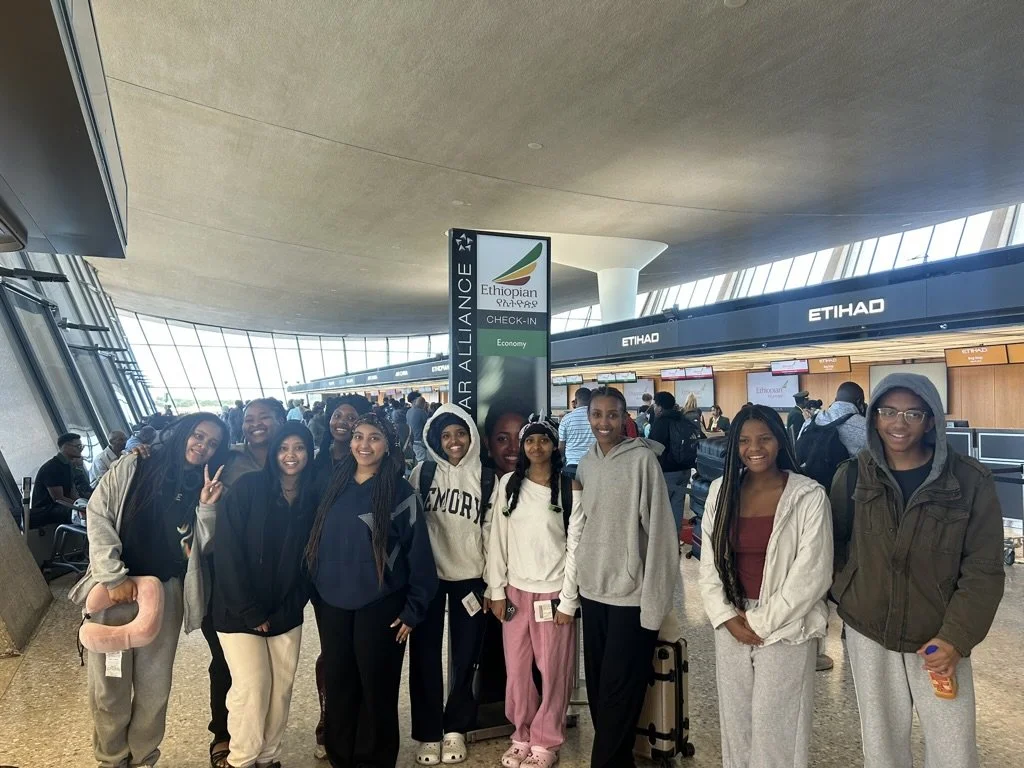
Today marks the start of what promises to be an unforgettable experience as our LearnServe DC students connect with their LearnServe Zambia peers. They'll begin building relationships, learning from one another, and experiencing firsthand what it means to be part of a global community working toward positive change.
Today's activities include:
Volunteering with CHIKUBSTO
Visiting the EBE Orphanage and School
Ending the day with a performance at the Lusaka Play House (Theatre)
Day 2 & 3 | June 25–26
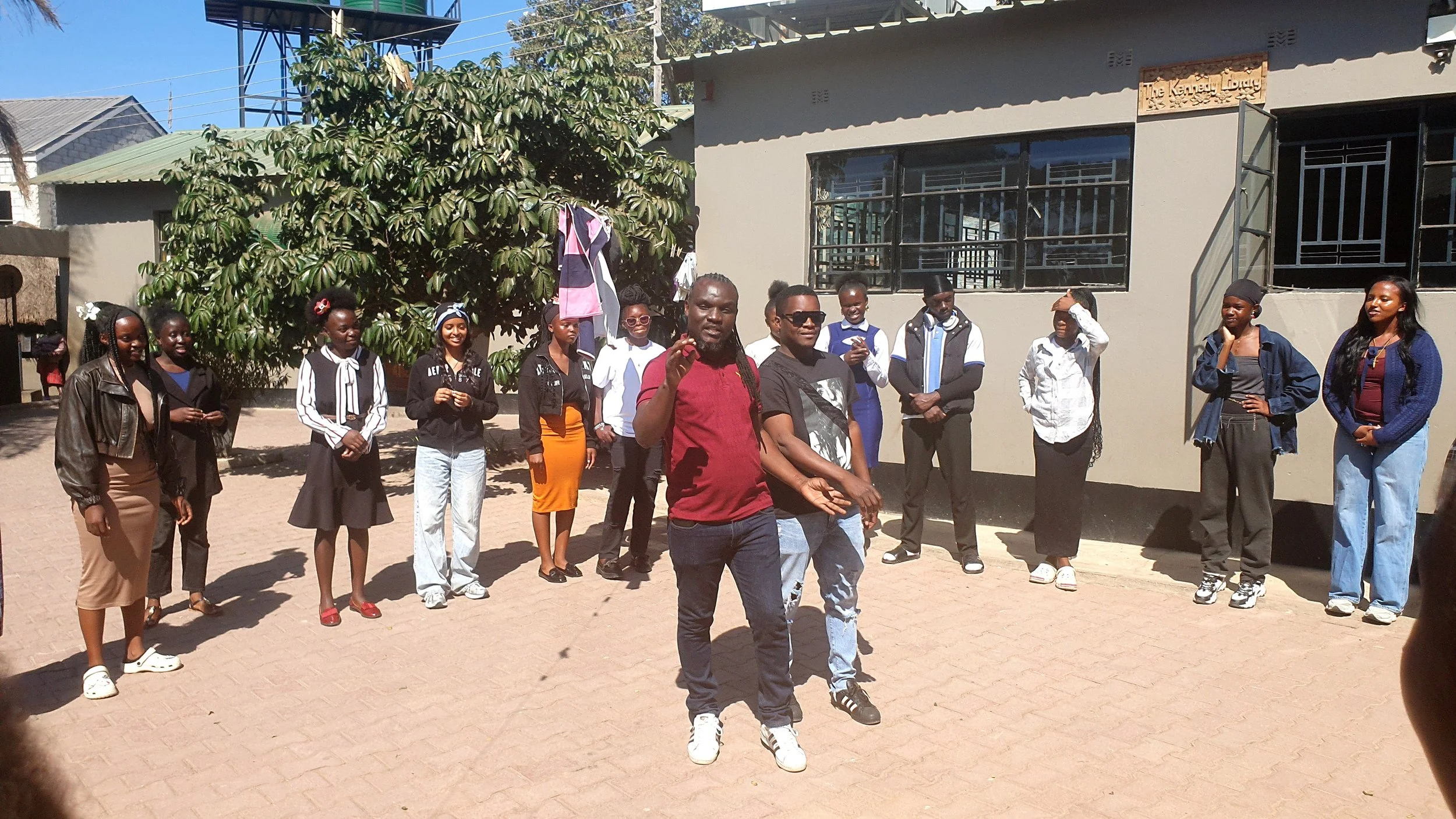
The first few days focused on building community and laying the foundation for the weeks ahead. Students participated in team-building activities over a welcome dinner at D'Lila, sharing stories and getting to know one another while waiting for dinner to be prepared.
The group also spent a day at Chikumbuso, a community school and skills center for young women, where they toured the campus, met with Gap Year students preparing for post-secondary opportunities, and learned about the organization's work to create pathways for education and empowerment. Students recognized many of the same goal-setting and leadership skills they've practiced through LearnServe, reinforcing that young people around the world share similar hopes, dreams, and aspirations.
The day concluded with an impromptu visit to the Lusaka Playhouse for a performance as part of the local theatre festival. The play explored social norms and different perspectives, giving students an opportunity to reflect on culture, identity, and the communities they are beginning to know.
Day 4 | June 27
Friday was filled with opportunities for cultural immersion and exploration. Students visited the elephant nursery at Lusaka National Park to learn about Zambia's wildlife conservation efforts before enjoying an inspiring performance by the ZANGI Cultural Arts group. They also returned to the Lusaka Playhouse, where LearnServe received a special welcome and recognition from the stage. The group is looking forward to reconnecting with many of the artists later this week through Africa Directions.
One of the biggest highlights of the day was welcoming our final student traveler, Rediate, who arrived safely and was greeted with open arms by students and staff. It was wonderful to finally have the entire group together!
Throughout the day, students had countless opportunities to ask questions, connect with local community members, and reflect on how history, culture, and identity shape the way we understand one another. Their curiosity and willingness to engage have been wonderful to see.
Day 5 | June 28
On Sunday, students attended worship at St. John's Congregation of the United Church of Zambia, where they experienced a service conducted primarily in Bemba. The congregation extended an incredibly warm welcome, even inviting our students to the front of the church to be recognized. Paired with their Zambian peers throughout the service, students received live translations, learned about local traditions, and experienced meaningful cross-cultural connection through shared worship.
While the service was underway, a small group accompanied staff to a local market to purchase supplies for the hygiene kits the students would assemble later that evening.
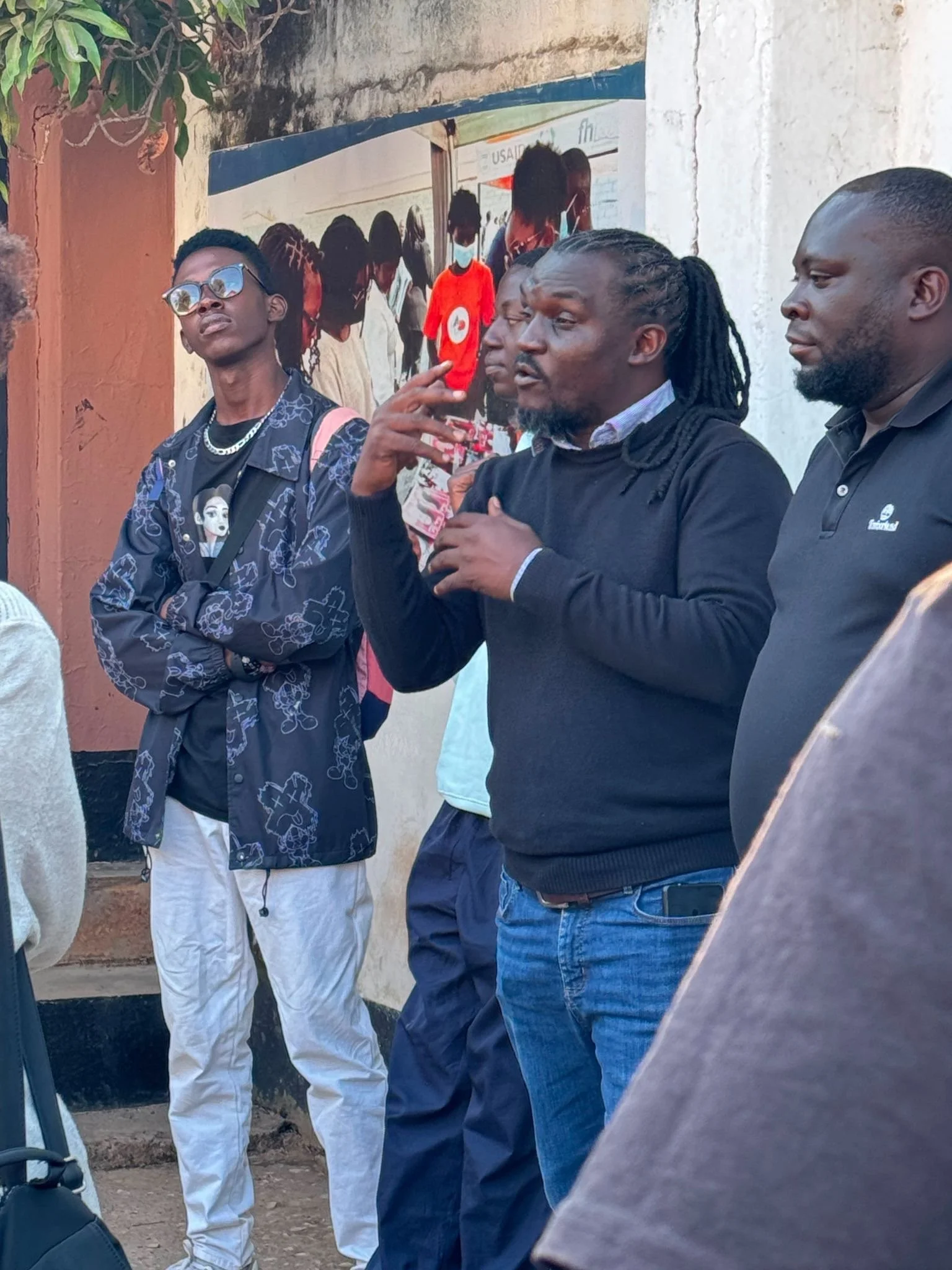
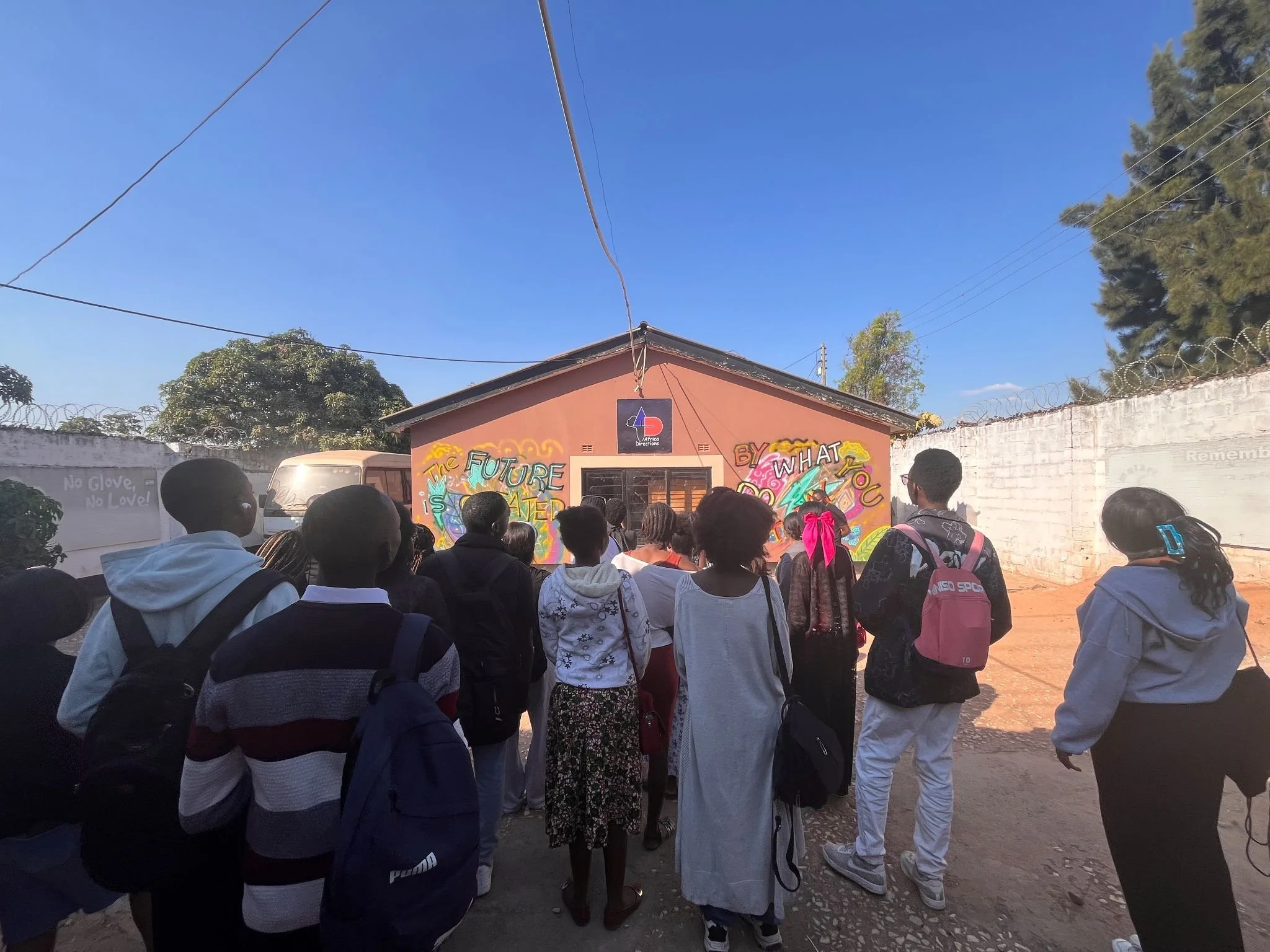
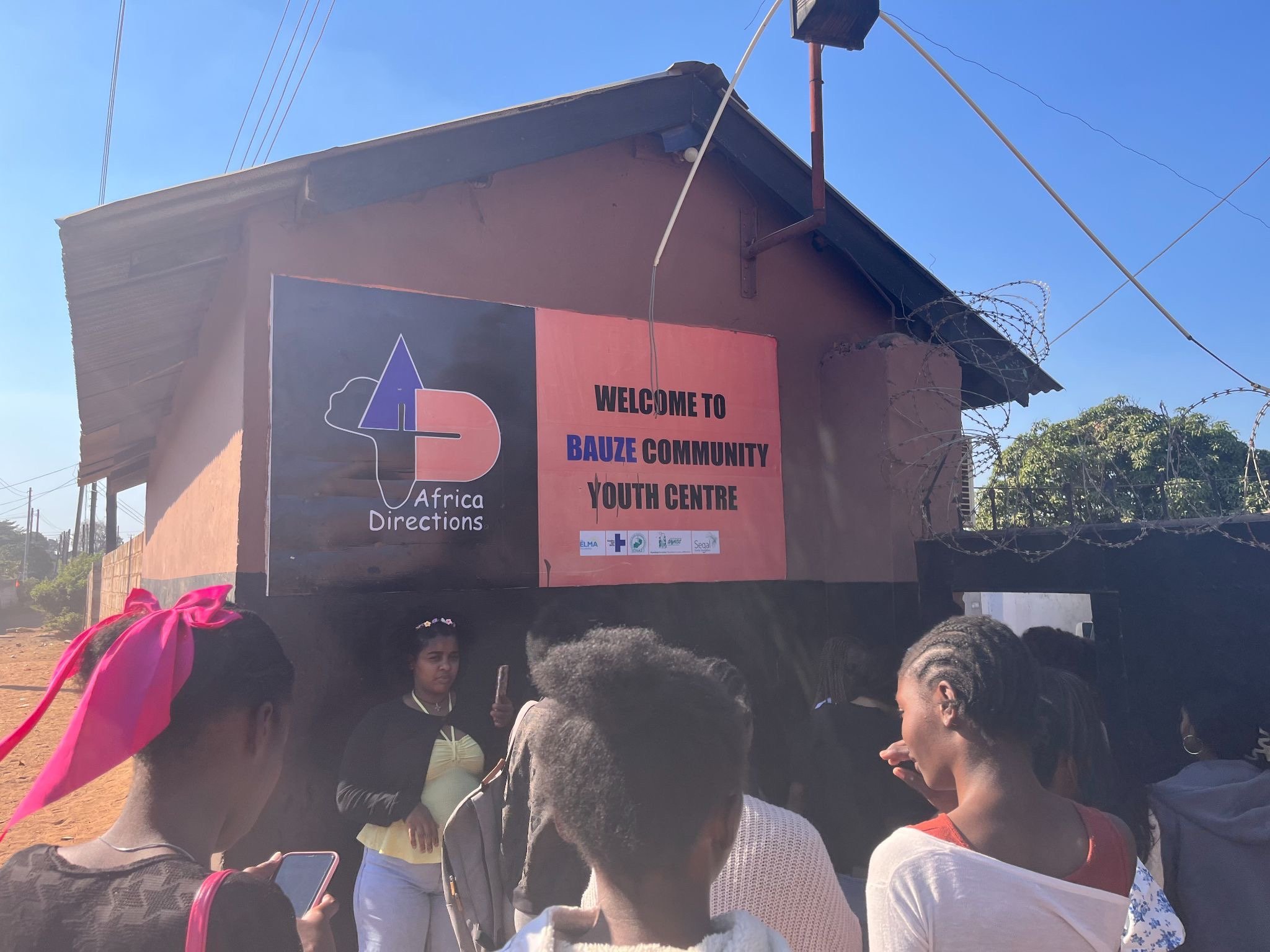
Later in the day, the group visited Africa Directions, where they learned how locally led organizations are creating lasting change through education, youth development, the arts, and community partnerships. Hearing directly from the leadership team gave students valuable insight into the power of sustainable, community-driven impact.
The weekend concluded with students assembling hygiene kits that they'll distribute during their visit to Fountain of Hope. It was a meaningful way to prepare for the next phase of the experience, reinforcing that service is most impactful when it is built on relationships, intentionality, and partnership.
Below are some pictures from the weekend:
Tour of Africa Directions with Japhet (LearnServe Zambia) and the team!
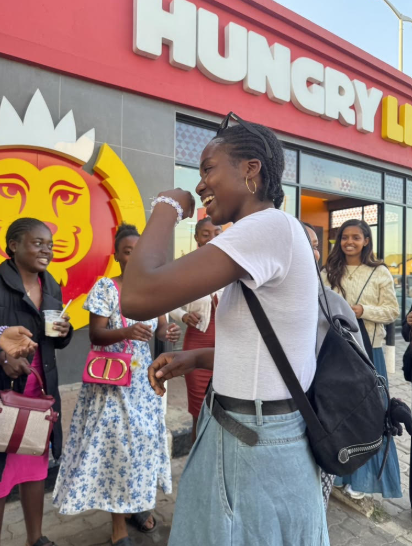
Students enjoying ice cream and dancing together at Hungry Lion.
Day 6 | June 29
Summary of the Day: Today was one of the most service-focused days as students partnered with Fountain of Hope to engage directly with children and youth living at the facility. Through open conversations, shared experiences, and service work, students formed meaningful relationships that went past cultural and geographic differences. During the evening reflection, many students shared that they felt a growing sense of trust and comfort with their Zambian peers, noting that the connections built over the past several days had helped them realize they have far more in common than they initially expected. The day blended education, service, and hands-on community engagement as students distributed hygiene kits, participated in gender-specific discussions, and worked together to improve the facility through a painting project. Students left inspired by the resilience, openness, and kindness of the young people they met, reflecting on the lasting impact of empathy, conversation, and service.
Top Moments: Zambian and US students loaded the hygiene kits they had assembled the previous evening and traveled to Fountain of Hope , where they were warmly welcomed by the children and staff. The facility administrators provided a comprehensive tour of the campus, introducing students to the classrooms, administrative offices, bathrooms, and both the boys' and girls' dormitories while sharing more about the organization's mission and daily operations.
Following the tour, students divided into smaller groups alongside the Fountain of Hope youth. The boys participated in a heartfelt discussion centered on motivation, perseverance, overcoming difficult circumstances, and believing that everyone deserves opportunities for a brighter future.
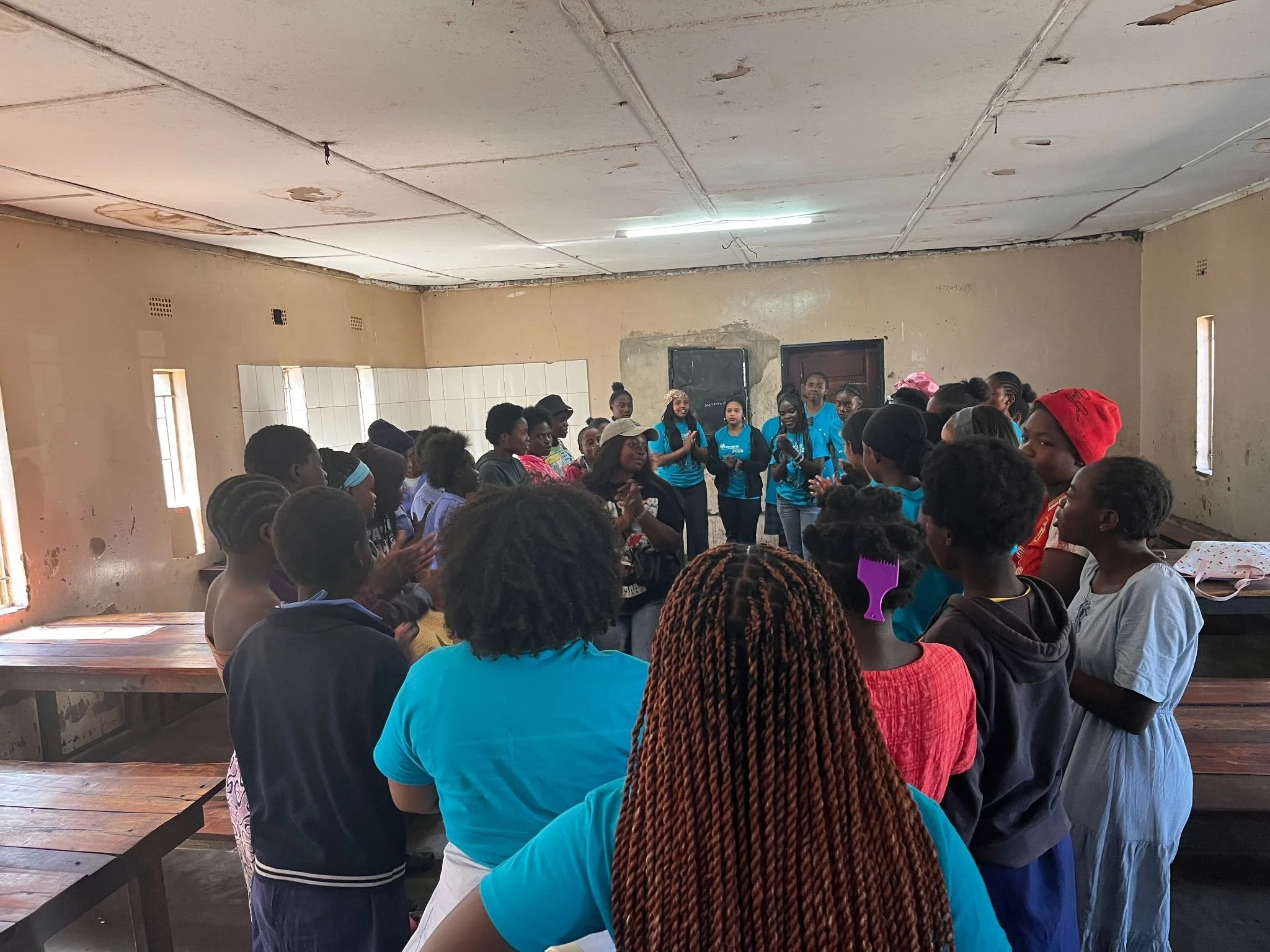
The girls engaged in an open and supportive conversation focused on menstruation, reproductive health, and sexual education. Together, they discussed personal experiences, cultural beliefs and myths surrounding menstruation, healthy practices, and ways to support one another through honest dialogue. The session concluded with a bonding circle where participants shared affirmations, danced together, and celebrated one another.
One of the most rewarding moments of the day came as students distributed the hygiene kits to both the boys and girls at Fountain of Hope.
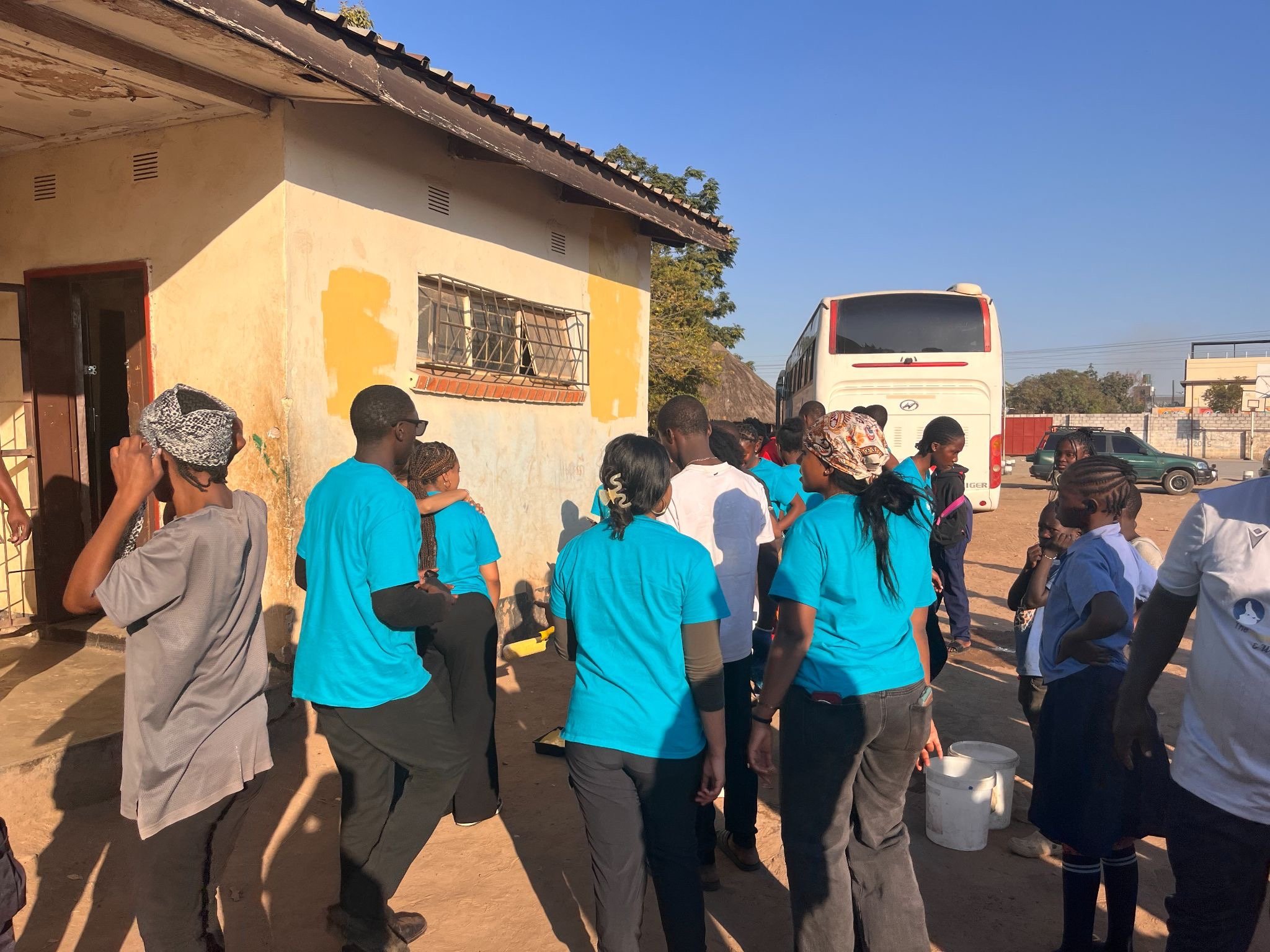
After lunch the group returned to Fountain of Hope to participate in a service project, working together to paint three of the facility's main exterior walls a bright yellow. Before departing, the facility director gathered everyone together for a heartfelt farewell prayer, expressing gratitude for the partnership.
Students spend the day at Fountain of Hope.
Day 7 | June 30
Summary of the Day: Today focused on education, advocacy, and community-driven change as students learned how local organizations are empowering communities through creative outreach, vocational training, and sustainable economic opportunities. Students witnessed firsthand how the arts can be used to educate communities about important social issues. They then spent the afternoon alongside the Zambian fellows to improve the Njira Youth Centre. Throughout the day, collaboration, creativity, and cultural exchange remained at the forefront as students worked together, shared music, dance, and stories, and reflected on the importance of collective action. The evening concluded with a visit to a local shopping center, where students enjoyed dinner together at Nando's and had time to continue building friendships.
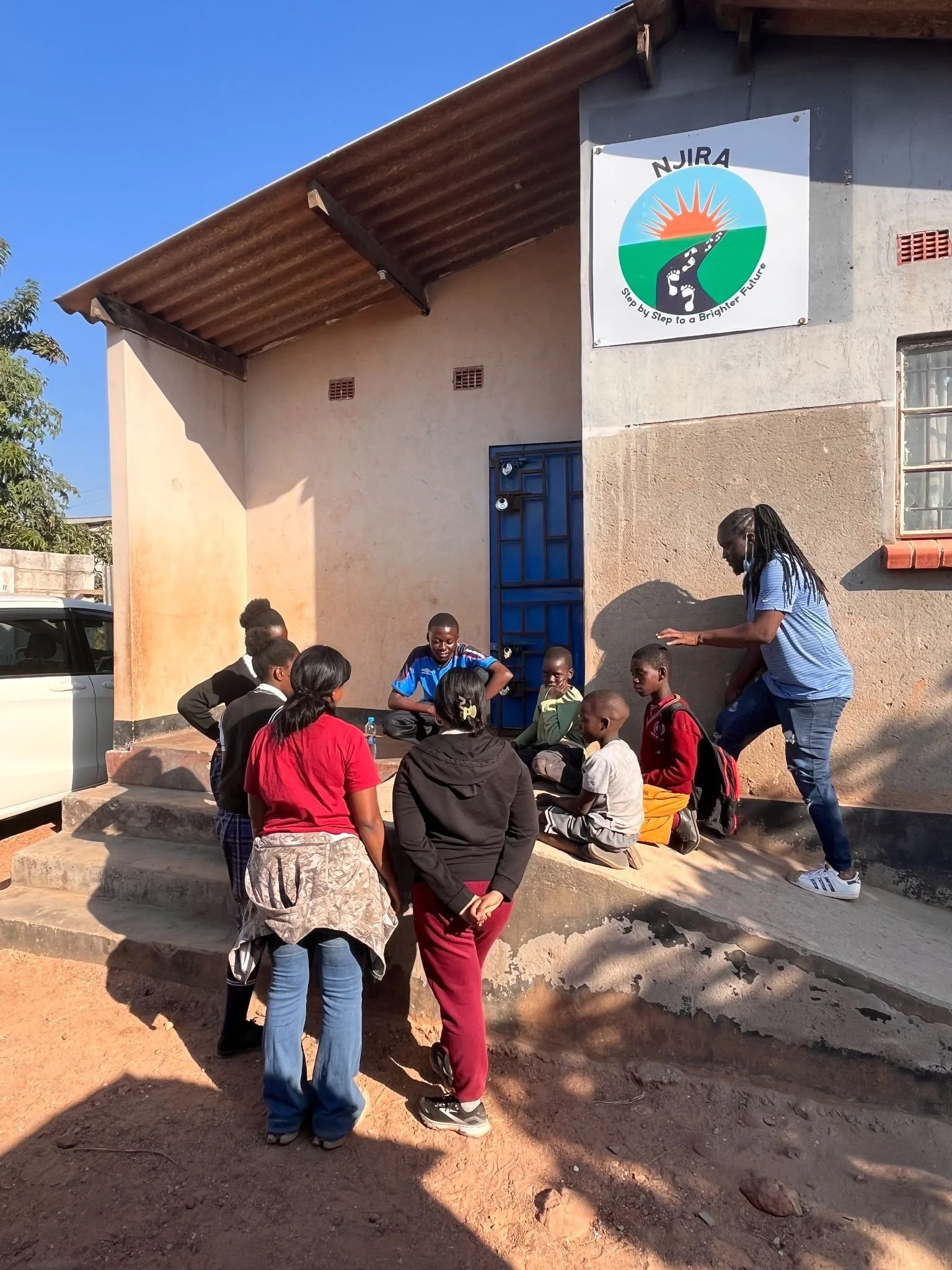
Top Moments: The morning began with a visit to a local town center, where students attended one of Njira's community outreach performances. Through traditional drumming, dancing, singing, and theatrical storytelling, the Njira team demonstrated how performing arts can be used to educate and engage communities around important social issues. The featured skit followed the story of a young girl facing an unplanned pregnancy and highlighted an alternative path centered on education, support, and empowerment rather than early marriage. The performance concluded by introducing Njira as a trusted resource where girls and women can access services, guidance, and opportunities to build brighter futures.
Following the performance, students visited the Njira Youth Centre for a tour of the facility. They met the current cohort of women participating in vocational training programs, including sewing and other marketable trades designed to promote long-term economic independence. Students also learned about the CAP program and its role in supporting Njira's sustainability efforts by helping market and sell handmade bags and other products created by participants, connecting vocational skills with entrepreneurship and income generation.
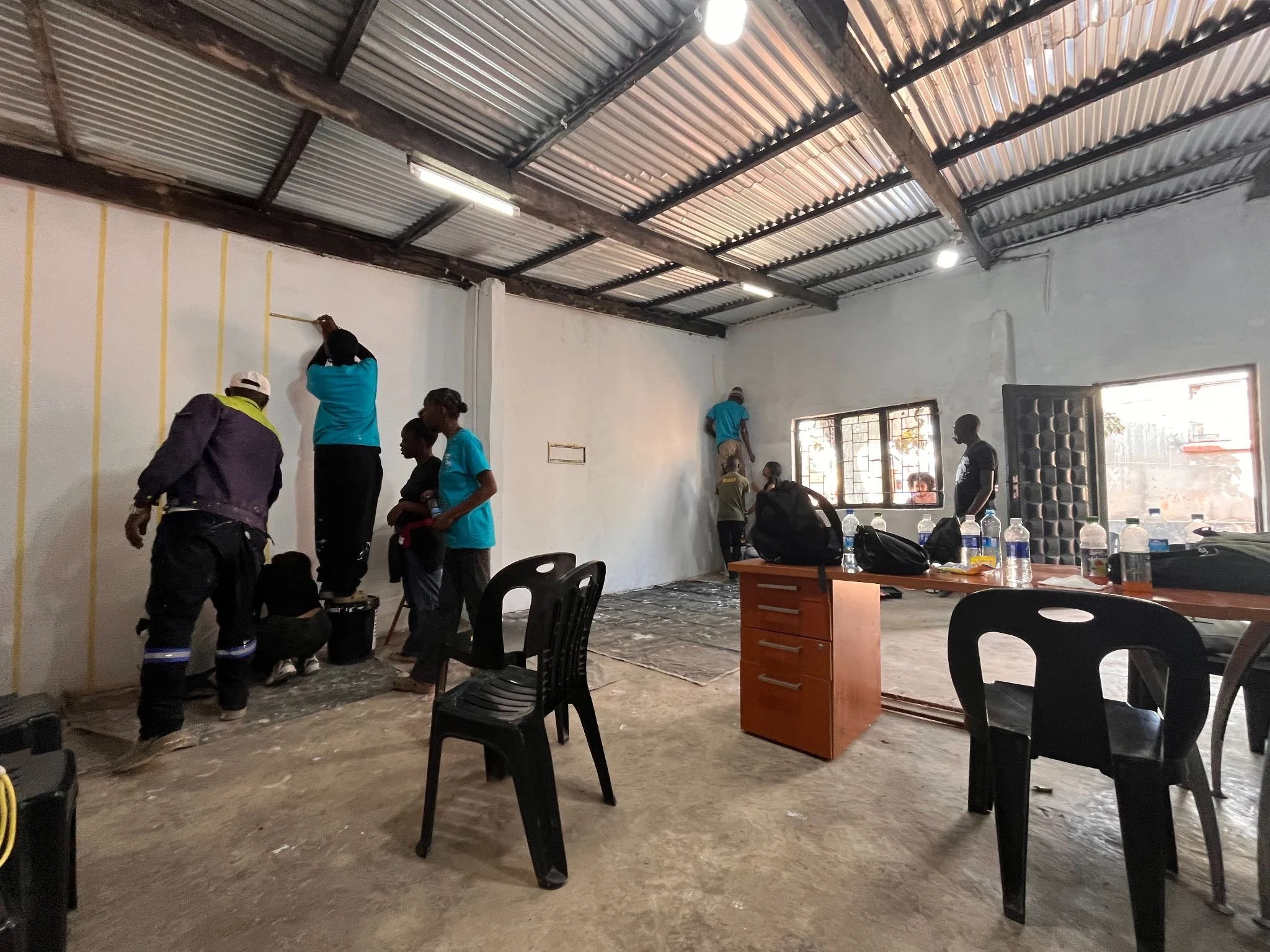
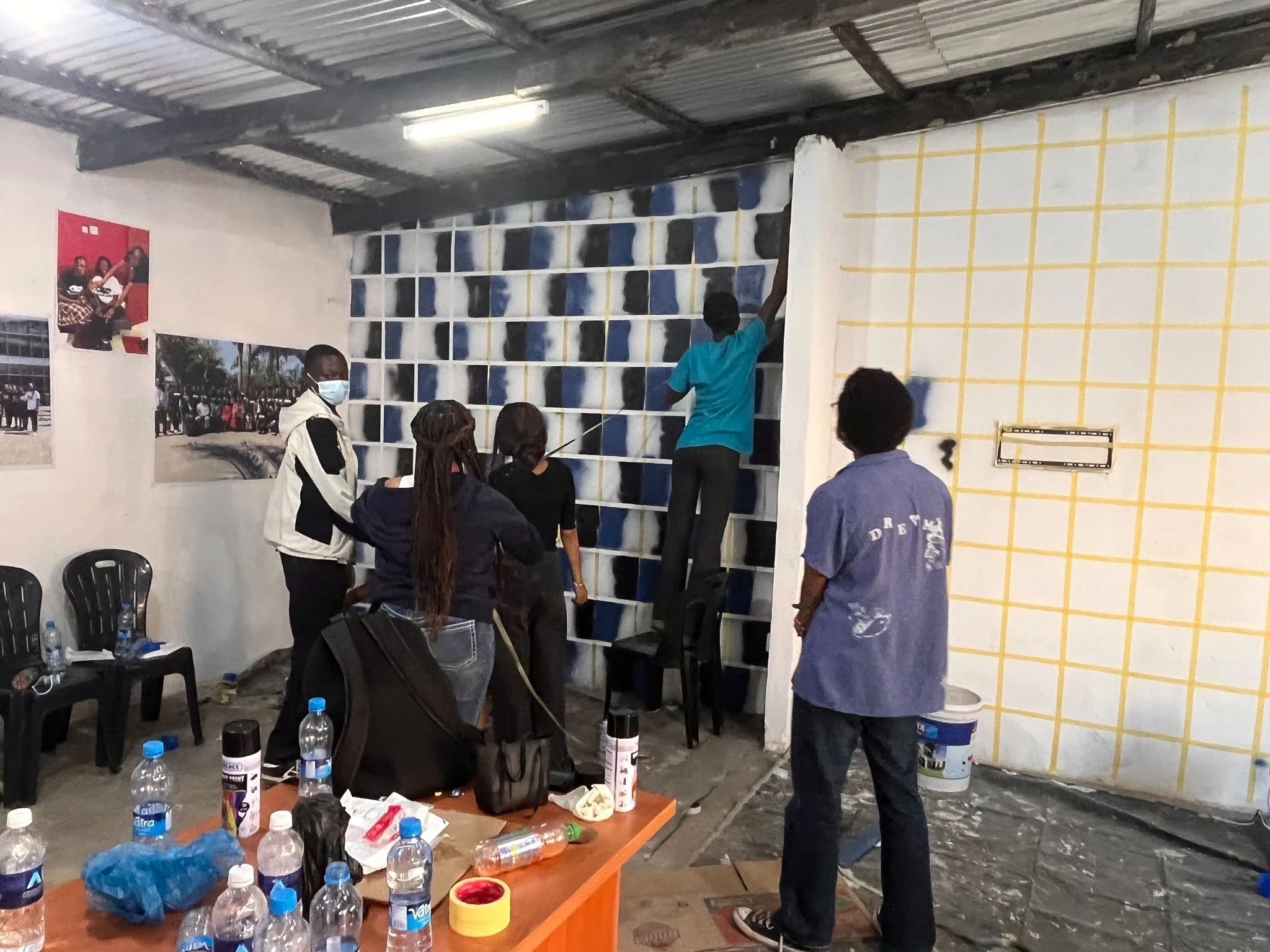
After sharing lunch with the Zambian fellows, the group spent the afternoon working together on a community beautification project at the youth center. Students were divided into teams, with one group painting three exterior walls in gray and black while another remained inside to prepare a feature wall by carefully taping and spray painting a blue and black checkerboard design, transforming the space into a more vibrant and welcoming environment.
Throughout the afternoon, some students played soccer with local children while others played music from across the world (including Latin music, Afrobeats, Ethiopian music, and other cultural genres) filled the worksite, creating an energetic atmosphere that encouraged conversation, dancing, and teamwork. The shared experience further strengthened relationships between the U.S. and Zambian students while demonstrating how service can also be a joyful expression of community. Before concluding the day, both the U.S. and Zambian students gathered for a dedicated reflection session, where they shared what they had learned, and how the experience continues to impact them personally.
U.S. and Zambian fellows working together to paint the interior and exterior of the youth center.
Day 8 | July 1
Summary of the Day: Today provided students with an in-depth look at Zambia’s public education and healthcare systems through visits to two secondary schools and Chilenje Level One Hospital. By observing classrooms, engaging with students and educators, and touring a community healthcare facility, students gained meaningful insight into both the daily lives of their Zambian peers and the broader educational systems shaping youth development in Zambia. Throughout the day, students continued strengthening relationships with their Zambian peers while reflecting on similarities and differences in educational experiences and exploring everyday pastimes like the mall.
Top Moments: The morning began with a visit to Kabulonga Girls Secondary School, one of Lusaka's historic public schools originally established during the colonial period in the 1950s. A small group of students had the opportunity to meet with the school's headmistress, while the full group toured the campus before being paired and assigned to classrooms across Grades 8 through 11. Students observed lessons in subjects including commerce, economics, mathematics, English, and guidance counseling, giving them the opportunity to experience an entire class period within an all-girls public school setting. Following dismissal, participants spent time speaking with their classmates and learning more about student life.
The group then traveled to Twin Palm Secondary School, where students experienced a different model of public education. As one of Lusaka's newer coeducational schools, Twin Palm provided an opportunity to compare learning environments and school culture. Students remained in their classroom pairs while observing lessons in commerce, mathematics, English, and history. Throughout the visit, the Zambian fellows attending Twin Palm served as guides, introducing their U.S. peers to classmates and sharing their own educational experiences. Before departing, students visited the school shop, where they enjoyed purchasing and sampling local snacks. During the tours students and trip leaders gained insight into how recent educational reforms and policies under Zambia's current administration are shaping curriculum and instruction.
In the afternoon, students toured Chilenje Level One Hospital to learn about the evolution of Zambia's healthcare system and the role of community-based medical services. Led by the head of the Youth and Adolescent Centre, the group explored the hospital's various departments before receiving a deeper introduction to the youth center's mission, history, and specialized services. Students learned how the center provides accessible healthcare, counseling, education, and support specifically tailored to adolescents and young adults, reinforcing the importance of preventative care and youth-centered health services.
The day concluded with a visit to East Park Plaza, where U.S. and Zambian students spent time exploring the shopping center, browsing local stores, and interacting with members of the community. The relaxed setting provided another opportunity for cultural exchange and friendship.
Day 9 | July 2
Summary of the Day
Today gave students a unique opportunity to explore the intersection of diplomacy, international development, and cultural exchange through engagements with U.S. Embassy officials and local artists. The morning began with a visit to the U.S. Embassy, where students learned how diplomacy, public health, economics, and volunteerism strengthen the longstanding partnership between the United States and Zambia. Interactive sessions on social entrepreneurship, as well as Zambian culture and communication, challenged students to think critically about innovation, cross-cultural understanding, and the role of community-centered leadership in addressing global challenges. In the afternoon, students shifted from learning about culture to experiencing it firsthand through traditional Zambian music and dance, deepening their appreciation for the country's rich artistic heritage. Together, the day's experiences illustrated how diplomacy, service, and cultural exchange each play an important role in fostering global citizenship.
Top Moments
The day began with a visit to the U.S. Embassy in Lusaka, where students gained a firsthand look into the work of American foreign service officers and local professionals working in Zambia. The group was welcomed by Naomi from the Public Affairs Section before hearing from Monica, who leads the embassy's health portfolio, Seth from the Economic Section, and the Acting Country Director of the Peace Corps. Each speaker shared how their respective offices contribute to the strong bilateral relationship between the United States and Zambia while highlighting the collaborative efforts that support health, economic development, and community resilience.
One of the morning's most impactful discussions focused on global health. Monica explained how investing in local health systems abroad not only improves health outcomes within Zambia but also strengthens global health security, ultimately benefiting communities in the United States as well. Students also explored Zambia's current economic landscape with Seth, who discussed the country's opportunities and challenges, while the Peace Corps presentation highlighted decades of community-driven partnerships and the lasting impact volunteers have made alongside local communities.
The embassy program continued with an engaging session on innovation and social entrepreneurship, encouraging students to think critically about how creative ideas and community-centered solutions can address complex social challenges. The morning concluded with an interactive cultural presentation led by Chola, who introduced students to Zambian customs, traditions, social norms, and values. Through thoughtful comparisons between Zambian and Western cultures, students gained a deeper appreciation for the importance of cultural literacy, respect, and adaptability when engaging across cultures.
Following lunch, students returned to the lodge for an afternoon of cultural immersion with performers from Africa Directions. Accompanied by live drumming, dancers taught the group two traditional dances originating from Zambia's Northern and Eastern Provinces. Students were divided into four groups to practice the choreography before performing together as one larger group. The workshop concluded with a lively partner dance that invited every student to dance down the line in a traditional style, creating an atmosphere filled with laughter, encouragement, and celebration. The experience offered students a memorable opportunity to learn through movement while further strengthening the bonds they had built throughout the program.
Day 10 | July 3
Summary of the Day
Today immersed students in one of Zambia's most meaningful cultural traditions through food, hospitality, and everyday life. During a hands-on cooking experience with the Kaluha Creative Group, students prepared and shared a traditional Zambian meal while learning about the cultural significance of local ingredients, cooking methods, and communal dining. The day emphasized that food is more than nourishment—it is a way of preserving history, strengthening relationships, and bringing communities together. The afternoon offered students an opportunity to prepare for the next stage of their journey while experiencing another aspect of daily life by handwashing their clothes together at the lodge.
Top Moments
The day began with a drive to the outskirts of Lusaka, where students were warmly welcomed into a local home by the Kaluha Creative Group for an authentic Zambian cooking experience. Throughout the morning, students learned how to prepare a variety of traditional dishes while gaining a deeper understanding of the role food plays in Zambian culture, family life, and hospitality.
Working alongside their hosts, students helped prepare a diverse meal featuring nshima (a staple maize meal), delele (a traditional okra dish), boiled sweet potatoes, insonkono (fried grasshoppers), ifisashi (sweet potato and pumpkin cooked in a rich peanut sauce), chikanda (African polony), ifinkubal (caterpillars/mopane worms), impwa (African eggplant or bitter tomatoes), and chicken (free-range chicken prepared in traditional style). As ingredients simmered and meals came together, students spent time sharing stories, playing hopscotch, cards, and other games with one another, creating an atmosphere of connection and cultural exchange during the unseasonably warm afternoon.
After enjoying the meal they had prepared together, students sampled several traditional Zambian beverages, including munkoyo, thobwa, and chibwantu. The shared meal provided an opportunity to reflect on the similarities between Zambian cuisine and foods from students' own cultures while appreciating the generosity and hospitality of their hosts.
After returning to the lodge, students spent the afternoon preparing for the weekend portion of the program. Working together, they handwashed their clothes, helping one another while reflecting on the day's experiences and sharing plenty of laughter. What began as a practical task quickly became another opportunity for teamwork and community building, reinforcing the collaborative spirit they have continued to develop throughout the program.
Day 11 | July 4
Summary of the Day
Today offered students a deeper exploration of Zambia's history, culture, and biodiversity through visits to the Zambia National Museum, a local Saturday market, an Ethiopian restaurant, and Kalimba Reptile Park. Throughout the day, students engaged with the country's past and present by learning about its history, practicing local customs, and experiencing the diverse cultures that shape daily life in Zambia. From bargaining in local markets to sharing meals, and encountering native wildlife, students continued to build confidence navigating unfamiliar environments while strengthening relationships with their Zambian peers. The day's activities reinforced that meaningful cultural immersion happens through both structured learning and everyday experiences.
Top Moments
The morning began at the Zambia National Museum, where students explored exhibits highlighting the country's geography, cultural heritage, religious traditions, archaeology, and colonial history and path to independence. The museum provided important historical context for many of the places, organizations, and communities students have encountered throughout the program. After completing the tour, students visited the museum gift shop and interactive play area, where they had the opportunity to learn and participate in traditional children's games while purchasing locally made souvenirs.
Following the museum visit, students traveled to a vibrant Saturday market to put their growing cultural knowledge into practice. Supported by their Zambian peers, students practiced bargaining with local vendors, used their understanding of the Zambian kwacha to make purchases, and incorporated local greetings and phrases into their conversations. The market experience provided a meaningful opportunity to build confidence while supporting local artisans and selecting handmade gifts and keepsakes to bring home.
For lunch, the group visited Melsim Lodge Restaurant for a cultural exchange centered around Ethiopian cuisine. Several U.S. students shared aspects of their own cultural backgrounds while introducing their peers to traditional Ethiopian dishes. Together, the group enjoyed a meal featuring vegetable and meat sambusas, injera served with a variety of vegetable dishes, tibs, and key wot. The shared meal created another opportunity for dialogue about the similarities and differences between cultures while celebrating the diversity represented within the group.
The afternoon concluded with a visit to Kalimba Reptile Park, where students were welcomed with the opportunity to safely hold a python before embarking on a guided tour of the reptile breeding facility. Throughout the tour, students learned about a wide variety of both venomous and non-venomous snakes, tortoises, and crocodiles while gaining a greater appreciation for Zambia's native wildlife. One of the day's highlights was visiting the park's oldest crocodile, estimated to be approximately 89 years old, before observing a live crocodile feeding that gave students an up-close look.
Day 12 | July 5
Summary of the Day
Today marked the beginning of the group's journey from Lusaka to Livingstone. Students spent the day traveling across Zambia, taking in changing landscapes while sharing conversations, music, and plenty of laughter along the way. Although much of the day was spent on the road, the journey itself became an opportunity for continued community building as students embraced the adventure together. The group arrived safely in Livingstone in the evening, settled into their accommodations, and prepared for the exciting experiences ahead.
Top Moments
The morning began with students packing their rooms, preparing their luggage, and loading the bus in anticipation of the journey to Livingstone. After breakfast and a final round of preparations, the group departed Lusaka and began traveling south through Zambia, observing the country's changing landscapes and rural communities along the route.
Throughout the drive, students embraced the long hours together with enthusiasm. Between energetic karaoke sessions, many naps, and plenty of snacks, the bus quickly became a space filled with laughter. Along the way, the group stopped for a refueling break, enjoyed lunch at Hungry Lion and Pick n Pay, and made a rest stop in Choma before continuing the final stretch of the journey. Even a few close calls in the search for restrooms became moments of humor that students are sure to remember long after the trip.
After arriving in Livingstone, students checked into their accommodations, explored the lodge and its surrounding grounds, and enjoyed dinner together. After a full day of travel, everyone appreciated the opportunity to settle into their new environment before getting some much-needed rest in preparation for the next activity-filled day.
Day 13 | July 6
Summary of the Day
Today challenged students to examine the relationship between environmental conservation, climate change, and sustainable development through an immersive field experience in Livingstone. Guided by local environmental advocate Uncle Ben, students witnessed firsthand the impacts of illegal charcoal production while learning about community-led conservation and reforestation efforts. The afternoon balanced this experience with opportunities for rest, reflection, and continued cultural exchange as students collaborated to prepare a homemade dinner for the entire group. Together, the day's activities demonstrated how individual action, environmental stewardship, and community collaboration can create lasting impact.
Top Moments:
The day began with breakfast before students boarded the bus alongside Uncle Ben, who facilitated an engaging workshop on climate change, environmental conservation, agroforestry, and the growing challenge of illegal charcoal production in Zambia. As the group traveled just outside of Livingstone, Uncle Ben provided important context on how economic pressures and unsustainable land use practices continue to shape both local communities and the environment.
A short distance outside of Livingstone, students left the bus behind and ventured off the main trail into a protected forest reserve. Rather than finding an untouched landscape, they encountered burned tree stumps, ash-covered ground, and areas stripped of vegetation. Uncle Ben guided the group to an active charcoal production site, where workers were cutting hardwood trees, covering them with soil, and slowly burning them to produce charcoal for sale. The experience provided students with a powerful visual understanding of the environmental consequences of unsustainable resource extraction while also highlighting the limited capacity of local forestry agencies to monitor and protect these areas.
Following the field visit, Uncle Ben brought the group to a plot of land he has been restoring since 2015 as part of his personal commitment to environmental conservation. The site features many trees planted in honor of influential figures, including Zambia's first president, Dr. Kenneth David Kaunda, Prince Philip, and Uncle Ben himself. Students then traveled to a nearby site in Livingstone where each had the opportunity to plant a tree of their own, leaving behind a lasting contribution to the local community and environment.
After returning to the hostel for a chance to refresh, the group enjoyed a family-style lunch before spending the afternoon resting and preparing for the following day's activities. Later that evening, four U.S. students, four Zambian students, and staff came together to prepare a traditional spaghetti and meatballs dinner for the entire group. What began as a simple cooking task quickly evolved into another memorable cultural exchange, as students experimented with recipes and spices while problem-solving how to prepare a meal for more than 30 people. Throughout the evening, laughter filled the kitchen as students shared stories, supported one another, and worked together to clean up after enjoying a meal prepared by their peers.
Day 14 | July 7
Summary of the Day
Today was one of the most anticipated and memorable days of the program as students experienced Zambia's extraordinary wildlife and one of nature's wonders. Beginning with a morning safari and ending with an evening talent show, the day blended adventure, personal challenge, and celebration. Students encountered iconic African wildlife in their natural habitat before hiking through Victoria Falls, where they witnessed the immense power and beauty of one of the world's largest waterfalls. The evening concluded with a talent showcase of creativity and community that reflected the confidence, friendships, and lasting bonds students have built throughout the program.
Top Moments:
The day began with an early breakfast before students boarded four safari vehicles for a morning drive through Mosi-oa-Tunya National Park. Throughout the safari, students observed a wide variety of wildlife in their natural habitat, including various species of birds, buffalos, monkeys, baboons, impalas, zebras, giraffes, and elephants. Midway through the excursion, the group paused along the banks of the Zambezi River for refreshments, photographs, and an opportunity to appreciate the surrounding landscape before continuing deeper into the park.
One of the morning's most unforgettable moments came when students left their vehicles for a guided walking safari to observe a family of white rhinos from a safe distance. Walking quietly alongside experienced guides, students witnessed one of Africa's most iconic endangered species up close.
Following the safari, students were dropped off at Victoria Falls to begin an afternoon of exploration. Recent rainfall had raised the water levels well above their seasonal average, offering students a rare perspective of the falls at near peak flow. The group first completed the challenging hike down to Boiling Pot and back, navigating steep terrain that was blanketed in mist and a steady, rain-like spray from the cascading water. Throughout the hike, students consistently encouraged and supported one another. They then continued along the rainforest trails toward the Victoria Falls Bridge, Rainbow Falls, and Danger Point. By this point, the volume of water resulted in sprays completely soaking students from head to toe and, at times, obscuring the falls themselves behind a curtain of mist. Despite the limited visibility, students were rewarded with spectacular views of vivid rainbows stretching across the gorge. The shared experience left many students speechless, with one simply saying, "there are no words in any language."
Following a well-earned break, the group gathered for dinner at Café Zambezi before concluding the evening with Latrina's much-anticipated talent show. Students performed individually and in groups, showcasing singing, dancing, spoken word, skits, and other creative talents. The performances reflected not only their creativity but also the confidence and trust that have developed throughout the program. The celebration concluded with an ice cream party, dancing, and preparations for the journey back to Lusaka the following morning.
Day 15 | July 8
Summary of the Day
Today marked the group's return journey from Livingstone to Lusaka following several days of exploration and adventure. After an activity-filled weekend, the long drive provided students with an opportunity to rest, recharge, and reflect on the experiences they shared in Livingstone. Although much of the day was spent traveling, students remained in good spirits as they made their way back to the capital. The group arrived safely in Lusaka during the evening and settled in for a well-deserved night of rest ahead of the final full day of programming.
Top moments:
The morning began with students loading the bus and departing Livingstone for the return trip to Lusaka. After several physically active and memorable days, the atmosphere on the bus was noticeably quieter as many students used the journey to catch up on sleep, listen to music, or reflect on the experiences they had shared over the previous week.
The group made several scheduled stops throughout the day, including breaks at a local church, a fuel station, and a clinic before stopping for lunch at Hungry Lion. These breaks provided opportunities to stretch, recharge, and prepare for the remaining hours of travel.
The group arrived back at the lodge at approximately 9:00 p.m., where students unloaded their luggage, enjoyed dinner together, and settled in for the evening. After a full day on the road, everyone welcomed the opportunity to rest in preparation for the program's final full day in Lusaka.
Day 16 | July 9
Summary of the Day/ Top Moments
The morning began with a visit to the Village Market, where students continued practicing their bargaining skills while shopping for last-minute souvenirs and gifts. Supported by their Zambian peers, students confidently negotiated prices, practiced local greetings, and reflected on how much more comfortable they had become navigating local markets since arriving in Zambia.
Students then paid a courtesy visit to the Permanent Secretary for Zambia's Ministry of Youth, Sport and Arts, Mr. Kangwa Chileshe. Joined by representatives from Njira Skills Youth Training Centre, students reflected on the leadership and social entrepreneurship program that had brought them to Zambia and shared highlights from their two-and-a-half-week experience. During the discussion, Mr. Chileshe spoke about the transformative value of international exchange, encouraging students to embrace leadership rooted in empathy, service, and an appreciation for diverse perspectives. He commended the group for investing in education and community engagement while recognizing the impact of the partnership between LearnServe International and Njira Skills Youth Training Centre in developing young leaders equipped to create positive change within their communities.
Following the meeting, students walked through Lusaka to a local fabric market, where they selected colorful chitenge fabrics to take home as meaningful reminders of their time in Zambia. The visit provided an opportunity to learn more about the cultural significance of chitenge cloth while supporting local vendors and artisans.
After lunch, the group returned to Chikumbuso, allowing students to purchase many of the handcrafted bags and products they had admired earlier in the program. The visit not only gave students the chance to find meaningful gifts for family and friends but also reinforced the importance of supporting organizations that create sustainable economic opportunities for women and local communities.
Before returning to the lodge, students stopped at Pick n Pay to stock up on their favorite Zambian snacks to enjoy during their flights home and to share with loved ones. Back at the lodge, many students participated in a lighthearted taste-test video, sampling local snacks and reflecting on some of their favorite foods they had discovered throughout the trip.